 wp2_03bd08bda453
 Stratégies efficaces pour gagner sur Pure Casino en live
Découvrir pure casino permet d’accéder à une plateforme de jeux en direct où l’interaction avec des croupiers réels et la qualité technique jouent un rôle central. Pure Casino se distingue par son offre live, ciblant une expérience immersive et dynamique. Ce guide détaille des stratégies efficaces pour maximiser les chances de succès sur ce site dédié aux jeux en direct.
Comprendre l’offre live de Pure Casino
Pure Casino propose une sélection variée de jeux en live, incluant principalement le blackjack, la roulette et le baccarat, ainsi que des shows interactifs. Les tables sont animées par des croupiers professionnels, garantissant une expérience proche du casino physique.
La technologie utilisée repose sur un streaming haute définition avec peu de latence, ce qui favorise une fluidité nécessaire pour une prise de décision rapide et adaptée aux situations de jeu. Le site supporte aussi plusieurs langues et devises, s’adaptant ainsi aux joueurs internationaux.
Ces éléments créent un environnement favorable à l’application de stratégies, notamment celles basées sur l’observation du déroulement des parties et l’analyse des tendances en temps réel.
Quelles stratégies adopter pour gagner en live ?
La première stratégie consiste à bien maîtriser les règles spécifiques à chaque jeu live. La différence avec les jeux RNG (générateur de nombres aléatoires) est notable dans le rythme et la psychologie. Une parfaite connaissance favorise une prise de décision rapide et avertie.
Ensuite, la gestion de bankroll représente un pilier fondamental. Il est recommandé de définir des limites claires de mise pour limiter les pertes et augmenter la durée de jeu, ce qui améliore l’opportunité de gains à long terme.
Enfin, l’observation attentive des tendances, notamment en roulette ou en baccarat, permet d’adapter les mises. Certains joueurs choisissent d’appliquer des systèmes de paris progressifs ou des techniques comme le comptage de cartes, là où cela est possible.
Quels outils Pure Casino met-il à disposition ?
- Tables avec statistiques en temps réel pour analyser les résultats précédents
- Options de chat en direct pour échanger avec les croupiers, aidant à comprendre le jeu
- Multiples limites de mise, adaptées à tous types de joueurs
- Fonction de mise automatique pour appliquer des stratégies de manière rigoureuse
- Interface claire, avec affichage simultané des informations clés sur les jeux
| Caractéristique | Pure Casino | Moyenne du marché |
|---|---|---|
| Variété de jeux live | + de 15 tables différentes | 10-12 tables classiques |
| Qualité du streaming | HD sans latence notable | Qualité standard avec parfois décalages |
| Options interactives | Chat, statistiques, mises automatiques | Chat uniquement |
FAQ sur les stratégies live à Pure Casino
- Comment démarrer avec peu d’expérience sur Pure Casino live ?
Il est conseillé de commencer par des mises faibles en choisissant des tables à limites basses et d’utiliser les statistiques pour apprendre le jeu. - Les stratégies progressives fonctionnent-elles vraiment ici ?
Elles peuvent être efficaces si appliquées avec discipline et un budget adapté, mais elles n’éliminent pas l’aléa du jeu. - Comment gérer les pertes lors d’une session live ?
Il faut fixer des limites de pertes à respecter strictement pour éviter l’escalade et préserver son capital.
 wp2_13536f141ee1
 The Competitive Edge of Queen88 Casino in 2023
Queen88 Casino has emerged as a significant contender in the online gambling landscape, distinguished by its user-friendly interface and diverse game offerings. As more players flock to virtual casinos, platforms like https://queen88casinos.com are setting themselves apart through innovative features and exceptional customer engagement.
Game Variety and Quality
One of the standout aspects of Queen88 Casino is its extensive game library, which caters to a wide range of player preferences. From classic table games to modern video slots, players can find a variety of options from well-known providers. The integration of recent releases ensures that the catalog remains fresh and engaging.
The platform also features live dealer games, providing a real-time gaming experience that replicates the excitement of brick-and-mortar casinos. This combination of variety and quality contributes significantly to the competitive edge of Queen88 Casino.
Bonus Offers and Promotions
Bonuses play a pivotal role in attracting and retaining players, and Queen88 Casino excels in this area with a robust promotional framework. New players benefit from attractive welcome bonuses, which often include no deposit offers and match bonuses. Additionally, ongoing promotions and loyalty rewards keep players engaged over time.
These incentives are designed with reasonable wagering requirements, which enhance player satisfaction and create a positive gaming experience. The dedicated VIP program further rewards loyal players with personalized benefits, contributing to long-term player retention.
- Generous welcome bonuses for new players
- Regular promotions for existing members
- Loyalty rewards and VIP programs
- Reasonable wagering requirements
- Exclusive bonuses for high rollers
Security and Player Trust
Trust is essential in online gaming, and Queen88 Casino has established itself as a secure and reliable platform. Licensed and regulated by reputable authorities, the casino employs advanced encryption technologies to protect players’ personal and financial information.
Additionally, the platform promotes responsible gaming, providing players with tools and resources to manage their gaming activities. This commitment to safety and transparency enhances player confidence and distinguishes Queen88 Casino from its competitors.
| Feature | Queen88 Casino | Industry Average |
|---|---|---|
| Game Variety | 2000+ | 1500+ |
| Security Level | High (SSL Encryption) | Medium |
| Welcome Bonus | Up to 150% | Up to 100% |
FAQ
What types of games are available at Queen88 Casino? Queen88 offers a diverse range of games, including slots, table games, and live dealer options.
Is Queen88 Casino safe to play at? Yes, Queen88 Casino is licensed and uses SSL encryption to ensure player safety and data security.
What promotions can I expect as a new player? New players at Queen88 Casino are greeted with lucrative welcome bonuses, along with ongoing promotions throughout their gaming journey.
Evaluating the Game Selection at Millioner Casino
Millioner Casino is emerging as a notable player in the online gaming landscape, distinguished by its extensive game selection and user-friendly design. Players are drawn to its platform for a diverse collection of casino games, which can be explored at https://millionercasinoau.com. This article evaluates the game offering at Millioner Casino, highlighting its diversity, quality, and the experience it provides to players.
Extensive Game Library
Millioner Casino hosts a vast selection of games that caters to all types of players. The library includes classic table games, contemporary video slots, and engaging live dealer experiences. Noteworthy providers contribute to the game roster, ensuring high-quality graphics and innovative gameplay.
The collection is meticulously categorized, allowing players to easily navigate between various sections such as Slots, Table Games, and Live Casino. New and popular titles are readily accessible, which enhances the overall user experience.
- Slots: A wide range of themes and features.
- Table Games: Includes multiple versions of blackjack, roulette, and poker.
- Live Dealer: Real-time interaction with professional dealers.
- Progressive Jackpots: Opportunities for significant wins.
- Exclusive Games: Unique offerings for a distinct experience.
User Experience and Design
The platform’s design plays a crucial role in player engagement. The intuitive layout and responsive design optimize navigation on both desktop and mobile devices, ensuring seamless access to the entire game catalog. High-quality visuals and audio further immerse players in the gaming experience.
Significant attention is given to loading speeds and overall functionality, which enhances user satisfaction. A streamlined interface allows players to find their favorite games without hassle.
Comparison with Market Standards
When evaluating Millioner Casino’s game selection against industry benchmarks, it becomes evident that its variety and quality stand out. Many platforms offer a limited selection, but Millioner Casino excels in providing a balanced mix of classic and modern titles, enhancing its appeal to a broader audience.
| Feature | Millioner Casino | Market Average |
|---|---|---|
| Game Variety | Over 2000 games | 1500 games |
| Live Games | 30+ live dealer options | 20 live dealer options |
Frequently Asked Questions
What types of games are available at Millioner Casino? There is a comprehensive range of games including slots, table games, and live dealer options.
Are there any exclusive games at Millioner Casino? Yes, the platform features unique games that are not commonly found in other casinos.
How is the mobile experience at Millioner Casino? The mobile site is fully optimized for easy navigation, providing a smooth gaming experience across devices.
What Are Players Saying About Herospin Casino’s Payouts?
Herospin Casino has emerged as a noteworthy player in the competitive online gaming industry, raising interest among avid gamers regarding its payout practices. Players are eager to share their experiences, contributing to the understanding of whether this platform delivers on its promises. For those looking for a closer look, detailed information can be found on their official site at https://herospincasino1.com.
Player Perspectives on Payout Speed
Many players have highlighted the speed of payouts as one of Herospin Casino’s most commendable features. Reports suggest that players receive their winnings promptly without unnecessary delays. Quick transactions can significantly enhance the overall gaming experience, especially for those who prioritize immediacy in receiving their funds.
Additionally, players appreciate a variety of withdrawal options that cater to their preferences. The convenience of multiple methods ensures that players can choose the one that best suits their lifestyle.
Withdrawal Limits and Conditions
When it comes to withdrawal limits, players have expressed mixed feelings. Some find the limits reasonable, as they allow for larger transactions without much hassle, while others feel that higher-tier players should enjoy more lenient restrictions. Understanding these limits is crucial for players who wish to maximize their withdrawals efficiently.
Here are some general insights based on player feedback:
- Low to moderate withdrawal limits for new players.
- Higher limits for loyalty members and VIPs.
- Flexible options for weekly or monthly withdrawals.
Feedback on Payout Reliability
Reliability in payouts is a significant concern among online casino players. Many users have reported that Herospin Casino maintains a reliable payout system, with most transactions processed without issues. Moreover, customer support receives acknowledgment for addressing payout-related inquiries in a timely manner, helping to foster trust among players.
In contrast, some player reviews raise concerns about specific instances of delayed payments, pointing to inconsistencies that could affect overall perception. This is an area where the casino can enhance its operational transparency to build stronger player confidence.
| Aspect | Player Sentiment | Actions for Improvement |
|---|---|---|
| Payout Speed | Generally Positive | Maintain existing systems |
| Withdrawal Limits | Mixed Feelings | Consider higher limits for loyal players |
| Reliability | Fairly Reliable | Improve communication on delays |
FAQs About Herospin Casino’s Payouts
- What is the average payout time for withdrawals? Most players report receiving their withdrawals within 24 to 48 hours, depending on the payment method chosen.
- Are there fees associated with withdrawals? Fees may vary based on the chosen payment system, so it’s advisable to check the terms before initiating a withdrawal.
- How can I increase my withdrawal limits? By participating in loyalty programs or becoming a VIP member, players can enjoy increased withdrawal limits and faster processing times.
Roo Casino’s Live Dealer Games: A Closer Look
Roo Casino is a vibrant online gaming platform that stands out in the competitive iGaming market, primarily due to its extensive collection of live dealer games. In an age where immersive gaming experiences are key, https://roo-casino.bet offers players an opportunity to engage with real dealers and enjoy the authentic casino atmosphere from the comfort of their homes.
Exploring the Live Casino Experience
The live dealer section of Roo Casino provides an array of games that simulate the thrill of a physical casino environment. Players can interact with professional dealers in real-time, enhancing the gaming experience significantly. The platform features popular table games such as blackjack, roulette, and baccarat, along with unique game shows, all facilitated by high-quality streaming technology.
The atmosphere is further enriched by the meticulous design of the live dealer studios. With professional backgrounds and engaging hosts, players are drawn into a captivating world that reflects the excitement of traditional gambling, making live games a standout feature of Roo Casino.
Game Variety and Software Providers
Roo Casino boasts a diverse live game library with offerings from some of the industry’s leading software providers. This ensures a high level of quality in both gameplay and graphics. Notably, the platform includes titles from well-known developers like Evolution Gaming and Pragmatic Play, known for their innovative approaches and engaging features.
- Classic games: Blackjack, Roulette, Baccarat
- Unique game shows: Dream Catcher, Monopoly Live, Deal or No Deal
- Attractive betting limits catering to all players
The dynamic nature of the games allows players to choose titles that match their preferences and budgets, fostering an inclusive gaming environment suitable for novices and seasoned players alike.
Technical Aspects and User Experience
Roo Casino’s live dealer section is optimized for seamless performance across various devices. Players can enjoy the games on desktop computers and mobile devices, with no loss in quality or functionality. The platform’s software ensures quick load times and smooth transitions, essential for live gaming.
| Device Type | Compatibility | Performance |
|---|---|---|
| Desktop | Windows, macOS | Excellent |
| Mobile | iOS, Android | High quality |
Additionally, user navigation is straightforward, with intuitive menus that allow quick access to the live dealer section. This efficient layout ensures that players can effortlessly switch between games without unnecessary hassle.
FAQ About Roo Casino’s Live Dealer Games
What live dealer games are available at Roo Casino?
Roo Casino offers a variety of live dealer games, including blackjack, roulette, baccarat, and innovative game shows.
Is Roo Casino mobile-friendly for live games?
Yes, the platform is fully optimized for both desktop and mobile devices, providing a smooth gaming experience on all screens.
What software providers power the live games?
Leading software providers like Evolution Gaming and Pragmatic Play enhance the quality and variety of live dealer games offered by Roo Casino.
What Can You Win at My Empire Casino?
My Empire Casino stands out in the competitive online gambling landscape by offering a diverse array of gaming options and appealing promotions for players. Players can learn more about this platform at myempirecasinos-au.com. With a strong emphasis on user experience, safety, and generous rewards, this casino quickly draws attention from gambling enthusiasts.
Game Selection at My Empire Casino
The gaming catalog at My Empire Casino is extensive, featuring everything from classic slots to modern video slots and table games. The variety ensures that players of all preferences can find something appealing. Players can explore intriguing options like progressive jackpots, which offer potentially life-changing payouts.
Prominent software providers power the games, ensuring high-quality graphics and engaging gameplay. Regular updates mean that new titles are periodically introduced, enhancing the overall gaming experience. Here are some of the popular game categories available:
- Slots: Traditional, Video, and Progressive
- Table Games: Blackjack, Roulette, and Poker
- Live Casino: Real dealers for an immersive experience
- Specialty Games: Bingo and Scratch Cards
Bonuses and Promotions
My Empire Casino features a robust bonus ecosystem designed to attract and retain players. New players are greeted with a generous welcome package, which often includes deposit matches and free spins. Beyond the initial bonuses, regular players can benefit from loyalty programs that offer additional rewards and incentives.
Some key promotional offers include:
| Bonus Type | Details | Wagering Requirements |
|---|---|---|
| Welcome Bonus | 100% match up to $500 + 50 Free Spins | 30x |
| Weekly Reload | 50% match bonus up to $200 | 40x |
| Cashback | 10% on losses every week | No Wagering |
Security and Player Support
Player safety is paramount at My Empire Casino, which is licensed and regulated by reputable authorities. The platform employs advanced encryption technologies to protect personal and financial information. Additionally, a robust responsible gaming policy contributes to a secure gaming environment.
For player support, My Empire Casino offers a variety of channels, including live chat, email, and an extensive FAQ section. Players can expect timely assistance and knowledgeable support staff ready to help with any inquiries.
FAQ
1. What payment methods are accepted at My Empire Casino?
My Empire Casino accepts various payment options, including credit cards, e-wallets, and bank transfers, providing flexibility for all players.
2. How long does it take to withdraw funds?
Withdrawal times range from instant for e-wallets to several business days for bank transfers, depending on the method chosen.
3. Is My Empire Casino suitable for beginners?
Yes, My Empire Casino offers a user-friendly interface and various resources to assist new players in getting started smoothly.
Starting Your Journey at the Best Acting Schools in New York

The first day of a drama class is a crucial opportunity to set the tone for the rest of the course. A well-organized and engaging start can energize your students and help them feel comfortable, motivated, and inspired. Below are structured steps and strategies to ensure your first day runs smoothly and effectively.
Create an Inviting Atmosphere
An inviting atmosphere helps students feel welcome and at ease. Many students may arrive feeling nervous or unsure about what to expect, so it’s important to establish an environment that promotes openness and creativity.
- Greet each student warmly as they arrive.
- Arrange the room in a way that encourages interaction (e. g. , circle seating rather than rows).
- Play light, upbeat music as they enter to ease tension.
- Provide name tags or cards, especially if this is a new group.
Start with Icebreaker Activities
Icebreakers are essential in helping students get to know one another while reducing their initial anxiety. For drama classes, focus on activities that encourage movement, collaboration, and self-expression.
- Name Game: Each student introduces themselves by saying their name along with a movement or gesture. The group then repeats both their name and action.
- Pass the Emotion: Have students sit in a circle. Begin by expressing an emotion (e. g. , joy or anger) through facial expressions and body language before passing it to the next person in the circle.
Establish Class Expectations
It’s important to clearly outline expectations for behavior, participation, attendance, and respect from day one. Doing so ensures everyone understands what is required for success while fostering mutual respect within the group.
- Punctuality: Encourage timeliness for rehearsals and performances.
- Participation: Emphasize that all voices matter regardless of skill level.
- Respect: Highlight respect for others’ space, ideas, and emotions during exercises.
- Safety: Stress the importance of physical safety during movement-based activities.
You could also post these expectations on a visible noticeboard in your classroom or distribute them as handouts for future reference.
Introduce Core Concepts Through Fun Activities
Even if it’s just day one, introducing basic drama concepts can lay an early foundation for learning. Consider incorporating activities that explore voice projection, body movement, improvisation skills, or storytelling basics.
| Activity | Objective | Instructions |
| Zip-Zap-Zop | Focus & teamwork | Students pass imaginary energy by saying “Zip,” “Zap,” or “Zop” in sequence |
| Tableaux Creation | Explore stillness & emotion | Groups create frozen “pictures” depicting scenes/emotions without speaking |
| Mirroring | Build awareness of body language & connection | Pairs mirror each other’s movements silently |
Introduce Yourself as Their Guide
Students will look up to you not only as their teacher but also as someone who inspires them creatively. Share your background briefly—your passion for acting or teaching drama—and what you hope they’ll gain from the class. Be approachable yet professional.
“Drama offers us endless possibilities for growth—whether it’s building confidence, mastering communication skills, or simply exploring new parts of ourselves.
End on a High Note
Wrap up your first session with positive energy by summarizing key moments from class (e. g. , “Today we learned how fun teamwork can be”). Preview what’s coming next while encouraging excitement about future lessons.
- Allow time for questions/feedback at the end.
- Thank everyone sincerely for giving their energy during class.
By thoughtfully planning your first session around inclusivity and engagement while introducing structure early on—you set yourself up as well-respected mentor capable of fostering meaningful artistic growth throughout weekly lessons ahead
Uncover Why Acting Classes NYC Are Captivating for Aspiring Performers
Understanding why students are drawn to acting is a crucial step in fostering their growth and helping them unlock their full potential. Acting is not just about performing; it is an art form that allows individuals to express themselves, connect with others, and explore different aspects of humanity. Below, we will explore some common reasons why students may feel compelled to step into the world of acting and how these motivations can shape their journey.
Discover the Top Reasons to Enroll in NYC Acting Classes
- Many students are drawn to acting because it provides an outlet for self-expression.
- Through acting, they can communicate emotions and ideas that may otherwise be difficult to articulate.
- It allows them to explore parts of themselves in a safe, creative space.
- The love of stories and storytelling often inspires individuals to pursue acting.
- They have a desire to bring characters and narratives to life on stage or screen.
- This passion also connects them with audiences on a deeper level.
- Acting offers an opportunity for students to momentarily step away from their personal lives and immerse themselves in fictional worlds.
- This escapism can be therapeutic as they channel energy into becoming someone else for a moment in time.
- Many aspiring actors are motivated by the connections they form with other performers and audiences alike.
- Acting fosters collaboration, teamwork, and shared experiences that can be deeply fulfilling.
- For some students, acting represents an avenue for developing confidence, communication skills, and emotional intelligence.
- Performing pushes them out of their comfort zones and helps build resilience.
Top Ways New York Acting Schools Inspire Student Motivations
Understanding the diverse reasons why students are drawn to acting enables drama teachers to create an inclusive environment where all aspirants feel valued and supported: actingclassesnyc.org
- Encourage Self-Exploration:Provide exercises focused on character development or emotional truth so students can learn more about themselves through performance.
- Celebrate Storytelling:Develop lessons around constructing narratives or interpreting scripts so that storytelling takes center stage.
- Provide Escapist Opportunities:Allow room for improvisation or creative play where students feel free from judgment while embodying different roles.
- Foster Collaboration:Implement group projects such as ensemble scenes or partner exercises that emphasize connection over competition.
- Promote Personal Development:Offer constructive feedback aimed at improving skills while building self-confidence in each student’s abilities.
Motivations and Activities for Aspiring Actors with an Acting Coach New York
| Motivation | Suggested Activities | Benefits |
| Self-Expression | Monologue practice | Builds emotional range & exploration |
| Storytelling Passion | Script analysis & scene performances | Strengthens narrative comprehension |
| Escapism | Improvisational games | Encourages creativity without constraints |
| Connection | Ensemble-based work | Fosters teamwork & mutual respect |
| Personal Growth | Constructive performance critiques | Boosts confidence & resilience |
By understanding these motivations, teachers not only help nurture talent but also create an enriching environment where every student feels supported in their unique journey toward mastery in acting.
Discovering Why Your Students Are Drawn to the World of Acting
Understanding the motivations behind why students pursue acting can help drama teachers create a more engaging and effective learning environment. Every student enters the world of acting with unique goals, desires, and inspirations. Recognizing these motives is crucial for fostering their growth, confidence, and creativity. Below is a detailed exploration of some common reasons students are drawn to acting and how educators can address them effectively.
Common Motivations for Pursuing Acting
- Many students are attracted to acting because it provides an outlet for expressing their thoughts, feelings, and creativity in ways they may not feel comfortable doing otherwise.
- Drama allows them to explore emotions and gain a deeper understanding of themselves.
- Some individuals are naturally drawn to storytelling – immersing themselves in characters, plots, and narratives that captivate audiences or convey meaningful messages.
- Acting offers the opportunity to embody stories and bring them to life on stage or screen.
- For many aspiring actors, taking up drama classes is a way to overcome shyness or social anxiety.
- The structured environment of an acting class gives them a safe space to take risks and gradually build self-assurance.
- Some students see acting as more than just an extracurricular activity but rather as a lifelong passion or potential career path.
- They may be inspired by famous actors or dream of performing on big stages or in movies.
- Acting classes often attract those who enjoy teamwork and collaboration.
- Drama fosters camaraderie through exercises like ensemble work, improvisation games, and joint performances.
- Acting allows students to step into another character’s shoes temporarily – escaping their own reality while exploring different perspectives.
How Teachers Can Support These Motivations
- Engage in Open Dialogue:Begin each term by asking your students what drew them to acting. Understanding their personal goals will allow you to structure lessons that resonate with individual needs.
- Encourage Self-Discovery:Incorporate exercises that promote introspection (e. g. , journaling as a character or analyzing emotional scenes). This helps students connect with material on a deeper level while encouraging self-awareness.
- Foster a Safe Space:Create an inclusive environment where all personalities – introverts and extroverts alike – feel supported during performances or practice sessions.
- Provide Varied Opportunities:Offer activities that cater to multiple interests: improvisation games for creative thinkers; monologues for those seeking refinement; group scenes for team-oriented learners.
A Table of Teaching Strategies
| Motivation | Teaching Strategy |
| Self-expression | Assign roles that challenge emotional range; encourage reflective discussions |
| Love for storytelling | Use scripts from diverse genres; analyze story arcs together |
| Building confidence | Gradually increase performance difficulty; provide constructive feedback |
| Pursuit of passion | Share industry insights; organize mock auditions |
| Community & collaboration | Emphasize ensemble work; assign collaborative projects |
| Escapism & exploration | Explore diverse characters/settings through role-play |
By identifying why your students are drawn to acting early on—and aligning lessons accordingly—you can nurture their enthusiasm while fostering personal growth both onstage and offstage.
Tips for Drama Teachers to Set Clear Class Expectations for Success
Establishing clear expectations is essential for creating a structured and productive drama class. When students understand what is expected of them, they are more likely to feel confident, stay engaged, and grow as performers. Below are actionable tips for drama teachers to set the foundation for success in their classes.
Communicate Your Goals Early
Start by outlining your goals for the class during the first session.
- Vocal techniques: Articulation, projection, and breathing exercises.
- Movement skills: Body language, spatial awareness, and stage presence.
- Emotional expression: Techniques to portray authentic emotions on stage.
- Collaboration: Building trust and working effectively with scene partners or ensembles.
By sharing these goals early on, you give your students a clear understanding of what they will achieve by the end of the course.
Create a Written Code of Conduct
A written code of conduct serves as both a guideline and contract between you and your students.
- Respect for peers and instructors.
- Active participation in exercises and rehearsals.
- Punctual attendance at all sessions.
- Proper handling of props, costumes, or technical equipment.
This document helps set professional standards while fostering mutual respect within the classroom environment.
Use a Syllabus or Roadmap
Provide your students with a syllabus or learning roadmap at the start of your program.
| Week | Topic/Activity | Objective |
| 1 | Icebreaker Games | Build trust among classmates |
| 2 | Voice Projection Exercises | Develop strong vocal delivery |
| 3 | Character Development | Explore deep emotional connections |
| 4 | Scene Study | Practice collaborative performance skills |
Having this structure reassures students that their time will be used productively while giving them clarity on what lies ahead.
Set Performance Benchmarks
Provide measurable benchmarks so that students can track their progress over time.
- Memorizing lines without prompts by specific deadlines.
- Successfully improvising scenes with minimal preparation.
- Delivering monologues with emotional depth during assessments.
Clear benchmarks offer motivation while helping students take ownership of their improvement journey.
Foster Open Communication
Encourage open dialogue with your students about class expectations. Schedule regular check-ins where they can ask questions or provide feedback about their experience. These discussions help ensure that everyone remains aligned while showing that you value their input.
Address Challenges Proactively
Anticipate potential challenges like stage fright or interpersonal conflicts within group work. Outline how you plan to address these issues upfront.
- Nervous performers can practice mindfulness techniques before performing.
- Group disagreements can be resolved through guided mediations led by the teacher.
Acknowledging possible hurdles demonstrates empathy while reinforcing your commitment to student success.
By implementing these strategies when setting expectations, you create an environment where aspiring actors feel motivated to learn and grow professionally in their craft.
The Importance of Building Connections with Aspiring Actors in Your Class
Building meaningful connections with aspiring actors is a cornerstone for fostering an engaging and supportive drama class environment. These relationships not only create a sense of trust but also allow students to feel more confident in exploring their creative potential. Below are ways to establish and nurture these connections effectively.
Why Building Connections Matters
- Trust and Comfort: Students are more likely to take creative risks when they trust their instructor and peers.
- Increased Engagement: A connected classroom encourages active participation and collaborative growth.
- Personalized Support: Understanding each student’s unique needs allows teachers to provide tailored guidance.
- Motivation and Retention: Strong connections inspire students to stay committed to their craft.
Strategies for Building Connections
- Conduct introductory activities where students share their experiences, interests, and acting goals.
- Take note of individual strengths, weaknesses, and any reservations they may have about performing.
- Set aside time during or after class for one-on-one check-ins with students.
- Encourage feedback from students about the class structure, activities, or areas they’d like to focus on in future sessions.
- Incorporate group exercises that require collaboration, such as improvisation games or scripted scene work.
- Rotate partners frequently so students interact with different classmates regularly.
- Show empathy and vulnerability; this demonstrates that it’s okay to make mistakes while learning.
- Share personal anecdotes from your own acting journey that highlight both triumphs and challenges.
Activities That Strengthen Connections
| Activity | Description |
| Name Games | Use fun name-based exercises (e.g., alliteration games) to break the ice. |
| Emotional Mapping | Ask students to share emotions tied to particular roles or moments in life. |
| Trust Exercises | Practice trust falls or blindfolded partner walks for building confidence. |
| Group Improvisation | Encourage teamwork through collaborative story-building exercises. |
| “Why I Love Acting” Circle | Have each student reflect on what inspires them about acting. |
Common Challenges & How To Address Them
- Shy or Reserved Students
Some students may be hesitant to open up initially. Approach them gently by pairing them with supportive peers or assigning low-pressure tasks until they gain confidence. - Diverse Skill Levels
If skill gaps exist within the group, assign projects where beginners can learn from more experienced classmates without feeling intimidated. - Conflict Management
Occasionally, tensions may arise between students during group work. Address such issues promptly by mediating discussions focused on teamwork and mutual respect.
Long-Term Benefits of Connection-Building
By prioritizing relationships within your drama class, you cultivate an atmosphere where aspiring actors thrive emotionally, creatively, and professionally. These bonds leave a lasting impact on their growth as performers while enriching the overall classroom experience for everyone involved.
How Aspiring Actors Can Embrace Growth Through Drama Education
Drama education serves as a powerful platform for aspiring actors to cultivate their craft, develop confidence, and explore creative possibilities. By embracing the lessons and experiences it offers, students can grow not only as performers but also as individuals. Below are key ways in which drama education fosters growth and practical strategies for actors to make the most of this journey.
Drama requires actors to tap into emotions, understand human behavior, and portray characters with authenticity. This process encourages self-reflection and emotional awareness.
- Body Language Mastery: Acting helps students recognize the subtleties of nonverbal communication through posture, gestures, and facial expressions.
- Empathy Building: By stepping into different characters’ shoes, students learn to see the world from various perspectives.
- Voice Modulation: Actors gain control over their voice tone, pitch, and volume to express emotions effectively.
Performing in front of an audience can be daunting at first. However, regular practice builds self-confidence over time.
Ways aspiring actors can build confidence include:
– Participating in class improvisation exercises to stay comfortable with spontaneity.
– Rehearsing lines until they feel natural and authentic.
– Taking constructive feedback from teachers or peers without fear of judgment.
Acting is rarely a solo endeavor; it thrives on collaboration within an ensemble cast or group projects.
- Team Dynamics: Working with others on scenes teaches collaboration toward a shared creative vision.
- Active Listening: Actors must listen intently during dialogues or group exercises to respond organically.
- Adaptability: Adjusting one’s performance based on group needs or changing direction enhances flexibility.
| Skill | Benefit in Acting |
| Teamwork | Builds trust within a cast |
| Communication | Enhances clarity during rehearsals |
| Problem Solving | Overcomes creative roadblocks |
Drama education encourages thinking outside the box when interpreting scripts or creating original work.
To grow creatively:
– Experiment with different acting styles (e. g. , method acting vs. classical approaches).
– Explore unfamiliar genres such as comedy if primarily experienced in drama—and vice versa.
Constructive criticism is a cornerstone of growth in drama education.
Tips for using feedback effectively:
1. Actively seek input from mentors after performances or rehearsals. 2. Separate personal feelings from professional critique by focusing on areas needing improvement. 3. Reflect on feedback received before planning actionable changes applicable during next practice sessions!
By embracing these principles fully+ consistently engaging w learning process ,aspiring studentactors ensure steady progress both skill-depth personal development.
- Starting Your Journey at the Best Acting Schools in New York
- Comparing Acting Schools in New York: Private Coaching vs. Group Classes for Aspiring Actors
- New York Acting Schools vs Acting Classes vs Workshops – A Comprehensive Guide to Choosing the Right Path
- 5 Things You Should Know About Acting Schools in New York
- What to Consider When Choosing the Right Acting Schools in New York or Professional Coach
- The Best NYC Acting Classes for Beginners to Build a Strong Foundation
- How to Get Started in Acting the Right Way with Acting Schools in New York
- The Ultimate Beginner’s Guide to New York Acting Schools: How to Prepare for Your First Acting Class
- Top Acting Schools in New York: Do You Need a Degree to Start Your Career?
 Stephanie Cypert
 Comparing Acting Schools in New York: Private Coaching vs. Group Classes for Aspiring Actors

When embarking on an acting journey, one of the most critical decisions aspiring actors must make is choosing between private coaching and group acting classes. Both options offer distinct advantages, and selecting the right approach depends greatly on individual goals, learning preferences, and career aspirations.
Benefits of Private Coaching
- Individualized Attention: Coaches can dive deeply into an actor’s unique style, helping them refine their craft in ways not possible in a larger class setting.
- Flexible Scheduling: Unlike group sessions, private coaching can often be scheduled at convenient times for the student.
- Focused Skill Development: Whether it’s perfecting monologues or audition techniques, private sessions allow actors to hone specific skills relevant to their career goals.
- Faster Progression: Due to the high level of attention and customization, actors may experience faster improvements compared to group settings.
| Pros of Private Coaching | Description |
| Tailored Feedback | Direct focus on individual strengths/weaknesses |
| Personalized Training Plans | Lessons customized to align with career objectives |
| Flexible Timing | Sessions scheduled around personal availability |
However, it’s worth noting that private coaching often comes with higher costs and limits opportunities for collaborative growth.
Benefits of Group Acting Classes
- Collaboration Skills: Working alongside peers mirrors real-world acting scenarios where ensemble performance is critical.
- Learning from Others: Observing classmates experiment with techniques or navigate challenges can be an invaluable learning experience.
- Diverse Perspectives: Exposure to different styles and interpretations broadens an actor’s toolkit.
- Cost-Efficiency: Group classes are generally more affordable than private lessons while still providing professional guidance.
| Pros of Group Acting Classes | Description |
| Ensemble Building | Teaches teamwork and chemistry essential for stage/screen work |
| Peer Inspiration | Opportunity to learn from fellow classmates’ successes or struggles |
| Networking | Builds connections within the acting community |
Choosing What Works Best for You
- Consider private coaching for its focused preparation.
- Group classes will build these essential interpersonal skills.
- Group sessions may provide cost-effective access to high-level instruction while exposing you to varied perspectives.
Both paths carry significant value depending on your goals as an actor. Many professionals ultimately adopt a hybrid approach—combining private sessions with group workshops—to gain the best of both worlds over time.
Discover the Benefits of Acting Classes NYC: Guidance and Collaboration for Growth
Many aspiring actors romanticize the idea of self-taught success, envisioning themselves mastering their craft through sheer determination and hours of individual practice. While personal effort is an indispensable part of an actor’s journey, navigating the complexities of acting without guidance or collaboration can be a limiting approach. Growth in acting often flourishes through structured mentorship, constructive feedback, and collaborative opportunities that solo practice cannot fully replicate.
Overcoming the Challenges of Solo Learning with NYC Acting Classes
- Lack of Constructive Feedback: You may not recognize bad habits or subtle mistakes without an external perspective.
- Limited Exposure to Diverse Techniques: Self-learning often narrows your focus to what you already know or feel comfortable exploring.
- Absence of Collaborative Energy: Acting thrives on interaction — rehearsals with others help develop timing, chemistry, and active listening skills essential for dynamic performances.
- Difficulty Gauging Progress: Without benchmarks provided by experienced mentors or peers, it can be hard to identify where you truly stand as an actor.
Discover the Benefits of Guidance from Mentors and Coaches at New York Acting Schools
- Personalized Feedback: Coaches can pinpoint areas for improvement and help you refine your technique.
- Career Insights: Mentors offer industry knowledge, audition tips, and strategies to navigate the entertainment world effectively.
- Structured Practice: Regular sessions create accountability and consistency in developing your craft.
| Benefit | Solo Learning | Professional Guidance |
| Feedback Quality | Limited (self-assessment) | Tailored and professional |
| Exposure to New Skills | Restricted | Broadens through expert input |
| Progress Tracking | Unclear | Clear benchmarks |
Finding the Right Acting Coach New York for Growth and Collaboration
- You learn how to respond authentically to others’ energy and choices.
- You develop improvisational skills by adapting to unexpected changes during performances.
- You improve communication skills essential for building rapport with directors, crew members, and fellow actors.
Group dynamics also foster creativity by exposing you to diverse perspectives — pushing you out of your comfort zone while helping you discover fresh approaches.
Why Balance Is Key
While individual practice helps build discipline and focus on specific techniques (like voice work or memorization), pairing this with external guidance ensures well-rounded development. A balanced approach combining solo effort with collaborative training ultimately provides aspiring actors the tools they need not only to improve but also thrive in a highly competitive field.
Group Acting Classes: How Ensemble Training Builds Stronger, More Versatile Performers
Group acting classes are a cornerstone of professional actor training, offering a unique environment that fosters collaboration, creativity, and growth. They provide aspiring actors with the tools to develop critical ensemble skills while honing individual craft. This section explores how group classes contribute to forming stronger, more versatile performers.
The Benefits of Group Acting Classes
- Collaboration Skills
Acting is rarely a solitary art form. In most professional settings—whether on stage or screen—actors work as part of an ensemble. Group classes simulate real-world scenarios by requiring students to collaborate with peers to create authentic and engaging performances. - Character Development Through Interaction
Engaging with others in scenes helps actors explore their characters in greater depth. Partner work, for example, allows performers to focus on developing relationships between characters and understanding subtext. - Expanding Emotional Range
Working in an ensemble challenges actors to adapt their emotional responses based on the dynamics of the group or scene. This flexibility is essential for portraying complex characters and relationships. - Building Confidence in Front of Others
Performing regularly in front of classmates can help actors grow more comfortable under pressure—an essential skill for auditions and live performance.
Skills Enhanced Through Ensemble Training
| Skill | Why It Matters | How Group Classes Help |
| Active Listening | Critical for authentic dialogue delivery | Exercises like improvisation sharpen listening |
| Teamwork | Essential for collaborative storytelling | Ensemble work promotes trust-building |
| Adaptability | Needed when responding to scene partners’ choices | Dynamic scenes explore flexibility |
| Communication | Vital for expressing ideas and emotions effectively | Feedback from peers improves clarity |
Exercises Commonly Used in Group Acting Classes
- Mirror Exercises
These activities involve two actors mimicking each other’s movements without speaking. They encourage attentiveness and foster non-verbal communication. - Improvisation Games
Improvisation helps actors respond intuitively to unexpected moments, teaching adaptability and keeping performances fresh. - Scene Study with Partners
Actors analyze scripts together, exploring character relationships while practicing dialogue delivery within a collaborative setting. - Role Reversal Exercises
Swapping roles during rehearsals allows actors to see scenes from different perspectives while enhancing empathy for fellow performers’ challenges.
Long-Term Impact on Careers
- Casting directors frequently prioritize versatile performers capable of working well within ensembles.
- Directors value actors who can listen actively, respond instinctively, and contribute positively to team dynamics.
- Working collaboratively fosters networking opportunities with peers who may become future colleagues or collaborators within the industry.
Ultimately, group acting classes cultivate well-rounded artists capable of thriving in both ensemble settings and individual roles—a crucial combination for long-term success in the entertainment industry.
Acting Techniques You Can’t Master Alone: Why Professional Training is Essential
Acting is often seen as a deeply personal and introspective art form, but the journey to mastering it requires more than individual effort. While self-study and practice are important, certain acting techniques demand external guidance, structured exercises, and collaborative environments to truly develop. Here’s why professional training is indispensable for aspiring actors.
Complex Techniques That Require Expert Guidance
- Meisner Technique: This approach focuses on emotional truth and spontaneous reactions. It relies heavily on partner work and the guidance of a skilled instructor to ensure authenticity.
- Stanislavski’s System: Known for its focus on psychological realism, mastering this technique requires a teacher who can help actors break down scripts, identify objectives, and create layered characters.
- Alexander Technique: Aimed at improving posture and breath control for better stage presence, this method needs professional correction to prevent improper habits.
- Improvisation: While fun in solo practice, improv training thrives in group settings with peers and instructors who offer constructive critique.
Without expert input, these methods risk being misapplied or underdeveloped.
The Role of Collaboration in Skill Development
- Practicing scenes with others fosters authentic reactions and builds relational dynamics that solo rehearsals can’t replicate.
- Instructors provide insights into timing, chemistry between performers, and effective storytelling.
- Professional classes allow actors to perform in front of others who may offer fresh perspectives.
- Receiving constructive criticism helps identify blind spots in performance.
- Working alongside classmates from various backgrounds introduces new approaches to acting.
- Watching different styles in action broadens one’s artistic repertoire.
Personal Growth Beyond Technique
- Building Resilience: Regular feedback can toughen actors against rejection in auditions.
- Learning Industry Standards: Training institutions teach professionalism—like punctuality on set or proper etiquette during rehearsals—that self-study cannot replicate.
- Networking Opportunities: Classes provide connections with instructors, casting directors, or like-minded peers who can support future career steps.
| Aspect | Self-Teaching | Professional Training |
| Feedback | Limited (self-assessment only) | Expert guidance from instructors |
| Collaboration | Rare | Frequent opportunities with peers |
| Access to Resources | Minimal | Comprehensive (studios/scripts) |
| Networking | None | Exposure to industry professionals |
Why Self-Taught Actors Face Barriers
- Limited understanding of advanced concepts like subtext or emotional layering.
- Lack of accountability without structured schedules or external pressures.
- Difficulty breaking bad habits without corrective feedback.
While determination is valuable for any actor’s growth journey, professional training ensures that potential isn’t hindered by preventable obstacles.

Why Your Acting Career Depends on Ensemble Training and Collaborative Skills
Ensemble training and collaborative skills are critical for actors looking to build sustainable and successful careers in the entertainment industry. While solo practice and individual performances have their place, acting is inherently a collaborative craft. Whether you’re performing on stage or in front of a camera, your ability to connect with others, adapt in group settings, and contribute to a shared creative vision can significantly impact your career trajectory.
The Importance of Ensemble Training
- Developing Chemistry: Audiences can sense when actors share authentic chemistry. Ensemble work helps you learn how to foster genuine connections with your scene partners.
- Improving Listening Skills: Great acting relies on listening as much as speaking. Ensemble training sharpens your ability to react authentically to others’ choices.
- Building Versatility: Working in a group exposes you to diverse perspectives, approaches, and styles, broadening your range as an actor.
How Collaborative Skills Set You Apart
Collaboration is at the heart of any successful production. From rehearsals to final performances, being able to work effectively with directors, writers, fellow actors, and crew members defines professionalism in this field.
- Adaptability
Being open to new ideas and directions is crucial during rehearsals or when a director adjusts the vision mid-project. - Empathy
Understanding your character’s relationships requires emotional intelligence and an ability to step into someone else’s perspective—both essential for harmonizing with an ensemble. - Conflict Resolution
Creative differences are common in artistic projects. Actors who can handle disagreements constructively earn respect from collaborators.
| Skill | Why It Matters | Example |
| Adaptability | Flexibility ensures you can adjust quickly | A director changes blocking mid-rehearsal |
| Empathy | Strengthens character relationships | Understanding another actor’s motivation in a scene |
| Conflict Resolution | Maintains harmony within the team | Addressing disputes over scene interpretation respectfully |
Real-World Applications of Collaborative Acting Skills
- Film & Television Sets: On-screen performances often require close interactions with co-stars or reacting naturally amidst group dynamics.
- Theater Productions: Stage work demands precise timing with ensembles for choreography or overlapping dialogue delivery.
- Improv Settings: Improv exercises rely heavily on trust among performers; these experiences teach quick thinking while supporting others’ creativity.
Benefits for Career Longevity
Producers and directors favor actors who exhibit strong interpersonal skills alongside talent because they contribute positively to the overall production environment. Teams that function well together create better art—and ultimately attract larger audiences or critical acclaim.
Investing time in developing ensemble skills not only enriches your craft but also improves how others perceive working with you professionally—qualities that open doors in competitive industries like film, television, and theater alike.
Choosing the Best Path for Aspiring Actors: Summer Acting Programs vs Year-Round Training
When deciding on the ideal path for acting training, aspiring actors often weigh the merits of summer acting programs against year-round training. Both options have their unique benefits and challenges, and choosing between them largely depends on your goals, availability, and learning style. Here’s an in-depth look at both paths to help you make an informed decision.
The Benefits of Summer Acting Programs
Summer acting programs are an intensive way to develop skills in a short time frame. These programs are designed to provide immersive experiences that often cater to individuals with limited availability or those seeking focused training during the summer months.
Key Advantages: – Time Efficiency: Summer programs typically last 4-12 weeks, making them suitable for students or professionals with existing commitments. – Networking Opportunities: Students can connect with peers, established actors, and industry professionals within a compressed timeline.
– Specialized Focus: Many summer programs offer targeted workshops like Shakespearean performance, improvisation, or audition techniques.
| Pros of Summer Programs | Description |
| Short-Term Commitment | Ideal for those who can’t commit to year-long schedules |
| Immersive Training | Allows participants to focus intensely over a few weeks |
| Industry Connections | Often led by experienced instructors from major markets |
However, these programs can sometimes feel rushed due to their condensed nature. Additionally, they may not cover foundational skills in depth compared to longer-term options.
The Value of Year-Round Training
Year-round acting training provides a comprehensive approach by focusing on gradual skill development over time. This option is ideal for aspiring actors who want a more structured learning environment.
Key Benefits: – Consistent Growth: Training spread over several months allows actors to refine specific skills without feeling pressured by time constraints. – Deeper Curriculum: Year-long courses often include a broader range of topics such as voice coaching, movement techniques, script analysis, and advanced character development. – Stronger Relationships: Spending more time with instructors and peers helps build lasting connections and collaborative opportunities.
| Pros of Year-Round Training | Description |
| Structured Learning Environment | Offers a stable schedule for continuous improvement |
| Comprehensive Curriculum | Covers both basic techniques and advanced performance skills |
| Long-Term Mentorship | Provides access to guidance throughout different stages |
The drawback for some is the extended commitment required. It may also be less practical for individuals balancing work or other obligations.
Deciding Which Option is Right for You
To determine whether a summer program or year-round training suits your needs best: 1. Evaluate Your Goals: Are you looking for quick skill-building or long-term development? 2. Consider Your Schedule: Can you dedicate consistent time throughout the year or only during specific periods? 3. Assess Your Budget: Summer programs might involve travel expenses but are shorter; year-round classes may require ongoing financial investment. 4. Look at Program Content: Do the offered courses align with your interests (e.g., film acting versus theater)?
Ultimately, both types of training have the potential to shape your career if selected wisely based on personal circumstances. What matters most is finding an option that aligns with your aspirations while supporting steady growth as an actor.
How Professional Actor Training Programs Shape Successful Careers in the Entertainment Industry
The entertainment industry is highly competitive, and actors must continuously refine their craft to succeed. Professional actor training programs play a critical role in developing the skills, discipline, and resilience required for a thriving acting career. These programs provide structured guidance that cannot be easily replicated through self-study or casual practice.
The Benefits of Professional Training Programs
- Comprehensive Skill Development: Acting involves more than just delivering lines. Professional programs teach foundational techniques such as voice modulation, body language, improvisation, and emotional expression.
- Industry Connections: Many professional programs are led by experienced instructors with deep ties to the entertainment world. These connections can open doors to auditions, mentorships, and future opportunities.
- Constructive Feedback: Instructors provide personalized critiques to help actors identify strengths and areas for growth. This feedback is invaluable for honing one’s craft.
- Networking Opportunities: Students often work closely with peers who may become collaborators in future projects or provide support within the industry.
Core Components of Successful Actor Training Programs
| Component | Description |
| Scene Study | Focused training on portraying characters authentically within scripted scenes. |
| Voice and Speech Training | Techniques for improving vocal clarity, projection, and versatility across roles. |
| Movement Classes | Lessons on physicality to enhance stage presence and adapt to physically demanding roles. |
| Improvisation Workshops | Sessions that encourage spontaneity and creative problem-solving in unscripted scenarios. |
| Industry Seminars | Lectures on audition preparation, marketing oneself as an actor, understanding contracts, etc. |
Real-Life Success Stories
- Viola Davis, an Academy Award-winning actress, attended Juilliard School where she honed her skills through intensive ensemble work.
- Mahershala Ali, known for roles in Moonlight and Green Book, trained at NYU’s Tisch School of the Arts before breaking into Hollywood.
These examples demonstrate how structured education equips performers with tools they need not only to excel but also to sustain success over time.
Why Professional Training Matters
While natural talent is important, raw ability alone is rarely enough in such a demanding field. A well-rounded education ensures actors have the technical skillset required for varied roles while also fostering professionalism both on-set and off-stage.
Actors who invest time in professional training often stand out because they bring depth, precision, adaptability—and most importantly—a collaborative mindset valued by directors and casting agents alike.
By committing to professional development through formal programs, aspiring actors position themselves as polished professionals ready to take on challenging roles across mediums like theater, film, television, or voice acting.
- Starting Your Journey at the Best Acting Schools in New York
- Comparing Acting Schools in New York: Private Coaching vs. Group Classes for Aspiring Actors
- New York Acting Schools vs Acting Classes vs Workshops – A Comprehensive Guide to Choosing the Right Path
- 5 Things You Should Know About Acting Schools in New York
- What to Consider When Choosing the Right Acting Schools in New York or Professional Coach
- The Best NYC Acting Classes for Beginners to Build a Strong Foundation
- How to Get Started in Acting the Right Way with Acting Schools in New York
- The Ultimate Beginner’s Guide to New York Acting Schools: How to Prepare for Your First Acting Class
- Top Acting Schools in New York: Do You Need a Degree to Start Your Career?
New York Acting Schools vs Acting Classes vs Workshops – A Comprehensive Guide to Choosing the Right Path

If you are pursuing acting, deciding between hiring an acting coach, enrolling in acting classes, or attending workshops can be challenging. Each option offers unique benefits, and the best choice depends on your goals, skill level, and available resources. Below is a comprehensive guide to help you make an informed decision.
Acting Coaches: Personalized Guidance
An acting coach provides one-on-one training tailored to your specific needs. This option is ideal for actors seeking targeted feedback and improvement in specific areas of their craft.
Benefits of Hiring an Acting Coach:
– Personalized Feedback: A coach can identify your strengths and weaknesses and help you refine them. – Flexible Scheduling: Sessions are often scheduled at times convenient for the actor. – Specialized Training: Focus on elements like emotional depth, dialects, or monologue delivery. – Audition Preparation: Many coaches provide audition-specific guidance to help you stand out.
When Should You Hire an Acting Coach?
| Situation | Why Choose a Coach? |
|———————————–|—————————————|
| Preparing for a major audition | Gain tailored strategies to ace it |
| Addressing specific challenges | Receive focused solutions |
| Developing advanced skills | Work intensively on nuanced aspects |
Acting Classes: Collaborative Learning
Acting classes are group sessions where actors of varying levels come together to learn from an instructor. This environment fosters collaboration and peer interaction.
Advantages of Taking Acting Classes:
– Structured Curriculum: Classes follow a planned syllabus that covers foundational and advanced techniques.
– Community Building: Working with peers allows for networking opportunities.
– Exposure to Different Styles: Learn various methods such as Meisner Technique, Method Acting, or Stanislavski System.
– Consistent Practice: Regular sessions ensure steady progress over time.
What Types of Classes Are Available? 1. Beginner-level classes – Focus on basic skills such as stage presence and voice projection. 2. Intermediate-level classes – Dive into scene work, improvisation, or character development. 3. Advanced-level classes – Explore complex techniques like text analysis or movement-based acting.
Acting Workshops: Short-Term Skill Enhancement
Workshops are typically short-term programs focused on specific topics or skills within acting. They provide intensive training over a limited period.
Pros of Attending Workshops:
– Topic-Specific Learning: Ideal for honing niche skills like combat choreography or accent work. – Networking Opportunities: Meet industry professionals who often lead these sessions. – Time-Efficient Training: Suitable for those with limited availability.
Examples of Common Workshop Topics:
| Workshop Topic | Goal | Duration | |———————————|—————————————|—————-| | Improvisation Skills | Enhance creativity & quick thinking | 1–3 days | | On-Camera Techniques | Adapt performance for film/TV | 2–4 weeks | | Audition Masterclass | Develop standout audition strategies | Single session |
How to Decide Which Option is Right for You
- Beginners may benefit more from structured classes that cover foundational techniques.
- Advanced actors may prefer specialized coaching or workshops.
- If you’re preparing for major auditions or roles, hiring a coach may yield faster results.
- For long-term skill-building, consistent class attendance can be invaluable.
- One-on-one coaching tends to be costlier but offers focused attention.
- Classes may be more affordable with flexible schedules.
- Workshops require less time commitment but offer concentrated learning experiences.
- If you thrive in group settings with feedback from peers, explore classes or workshops.
- For personalized advice tailored solely to your needs, opt for an acting coach.
By evaluating your unique circumstances using this framework, you can invest in the right form of training that aligns with your aspirations as an actor while maximizing both time and resources effectively.
Master Your Craft with Top Acting Classes NYC Offers
When it comes to developing as an actor, it’s essential to understand the differences between acting coaches, classes, and workshops. Each offers unique benefits that can help you hone your craft at various stages of your career. Below is a comprehensive look at their roles and how they contribute to an actor’s growth.
Finding the Best Acting Coach New York Has to Offer
Acting coaches provide one-on-one guidance tailored to your specific needs. They focus on helping you refine your technique and prepare for particular roles or auditions.
Key Benefits of Working with an Acting Coach: – Personalized Attention: Coaches evaluate your strengths and weaknesses in depth. – Role Preparation: They help you break down scripts, develop characters, and find emotional connections. – Audition Readiness: Coaches simulate audition environments to build confidence. – Flexibility: Sessions are often scheduled based on your availability.
When to Work with a Coach: – Preparing for high-stakes auditions or challenging roles. – Seeking detailed feedback on performance nuances. – Needing help overcoming specific performance blocks.
The Role of Acting Classes
Acting classes are typically structured programs that focus on foundational techniques, such as voice work, movement, improvisation, and scene study. They are ideal for actors at all experience levels who want consistent practice in a collaborative environment.
Types of Acting Classes: | Class Type | Focus Area | Ideal For | |——————-|——————————————-|———————————-| | Scene Study | Performing scripted scenes with partners | Intermediate/Advanced actors | | Improv | Spontaneity and creative thinking | All levels | | Voice & Diction | Vocal clarity and projection | Actors needing vocal skills | | Method Acting | Emotional immersion into characters | Advanced performers |
Advantages of Acting Classes: – Develops discipline through regular attendance. – Encourages teamwork by working with fellow actors. – Offers exposure to diverse acting methods taught by instructors with varying expertise.
The Role of Acting Workshops
Acting workshops are short-term programs or intensives designed around specific skills or techniques. These typically last anywhere from one day to several weeks.
What Makes Workshops Unique: – Focused Learning: Workshops concentrate on specialized topics like audition techniques, accents/dialects, or camera work. – Access to Industry Experts: Often led by casting directors, filmmakers, or veteran actors offering insider perspectives. – Networking Opportunities: Attendees frequently meet industry professionals who can open doors for future projects.
When Should You Attend a Workshop? – When you need quick skill-building in a targeted area. – To gain insight into trends within the entertainment industry.
Choosing the Right Path for Growth
- Start with general acting classes to build foundational skills.
- Combine ongoing classes with targeted workshops to refine specific abilities.
- Work closely with an acting coach for personalized guidance while attending advanced-level workshops occasionally.
Understanding the role each option plays ensures that you invest time and resources wisely as you continue building your artistic craft effectively.
Understanding the Role of Acting Coaches, Classes, and Workshops in Building Your Craft
If you’re an aspiring actor or even a seasoned professional looking to refine your skills, understanding the unique benefits of acting coaches, classes, and workshops is critical to developing your craft. Each provides distinct advantages that support different aspects of an actor’s journey. Here’s a breakdown of these three pillars of acting education to help you determine how each can serve your growth.
Acting Coaches: Personalized Development
An acting coach works one-on-one with an actor to provide tailored guidance and constructive feedback. The individualized attention allows actors to hone specific skills and develop their unique strengths.
Key Benefits: – Personalized Attention: Acting coaches address your unique challenges and strengths. – Scene Work: They help break down difficult scripts or scenes for emotional depth and technical precision. – Audition Preparation: A coach can provide expert advice on nailing auditions by refining delivery, presence, and confidence. – Ongoing Mentorship: Many actors maintain long-term relationships with their coaches for consistent improvement.
Who Should Consider an Acting Coach? – Actors preparing for major auditions or high-profile roles. – Individuals seeking targeted feedback on specific areas like accents or emotional range.
Acting Classes: Building Core Skills in a Group Setting
Acting classes are structured programs conducted in group settings. They focus on foundational techniques while offering opportunities for collaboration with other actors.
Key Benefits: – Skill Building: Learn core techniques like voice control, movement, improvisation, and method acting. – Networking Opportunities: Interact with peers who may become collaborators or industry contacts. – Structured Curriculum: Classes often follow a syllabus that systematically builds upon previous lessons. – Safe Environment for Experimentation: Actors can try new approaches without fear of judgment.
| Class Type | Focus Area | Suitable For |
| Scene Study | Breaking down scripts | All experience levels |
| Meisner Technique | Reacting truthfully | Intermediate/Advanced actors |
| Voice & Diction | Vocal clarity | Beginners/Non-native speakers |
| On-Camera Acting | Working on film sets | Film/TV-focused actors |
Who Should Consider Classes? Actors at any stage looking for a structured environment to learn techniques alongside peers will benefit from classes.
Acting Workshops: Intensive Short-Term Training
Workshops are often short-term sessions focused on specialized topics or techniques. These intensive programs are typically led by industry professionals such as casting directors or experienced actors.
Key Benefits: – Specialized Focus Areas: Attend workshops tailored to specific skills like dialects, combat training, or comedic timing. – Direct Industry Insights: Learn from seasoned professionals who share practical tips based on real-world experience. – Short-Term Commitment: Perfect for actors unable to commit to long-term classes but still seeking skill enhancement.
Popular Topics Covered in Workshops: 1. Audition Techniques 2. Improv and Comedy 3. Shakespearean Performance 4. Physical Theater (e.g., mime or stage combat) 5. Monologue Mastery
Who Should Consider Workshops? Actors who want targeted training in select areas without committing to comprehensive courses will benefit greatly from workshops.
Choosing the Right Path
- Opt for an acting coach if you need personal attention for major auditions or advanced refinement.
- Enroll in acting classes if you’re building foundational skills or want consistent practice opportunities within a group setting.
- Select specialized workshops if you’re aiming to master niche skills over shorter time periods.
By thoughtfully leveraging these resources at different stages in your career, you can build a strong foundation while continuing to evolve as an actor over time.

Top Tips for Success at Acting Schools in New York and Landing Competitive Roles
Auditioning is a cornerstone of an actor’s career and often the gateway to securing top-tier roles. Mastering the art of auditioning requires preparation, confidence, adaptability, and a strong understanding of how to showcase your talent effectively in a high-pressure environment. Below are actionable tips and strategies to help you excel during auditions for competitive roles.
Preparation: The Foundation of Success
Preparation is critical for any audition. Casting directors can spot an underprepared actor immediately, so investing time into your craft can set you apart.
- Research the script, sides, or monologue thoroughly.
- Study the tone, setting, and character motivations within the material.
- If it’s a preexisting work (e.g., Shakespeare), familiarize yourself with its historical or cultural context.
- Dive deep into your character’s background and objectives.
- Ask yourself key questions: What does my character want? How do they feel in this moment? What obstacles are they facing?
- Commit lines to memory early to allow more focus on performance during rehearsals.
- Use techniques like chunking (breaking text into smaller parts) or repetition strategies.
- Rehearse regularly but avoid over-rehearsing to maintain spontaneity.
- Record yourself performing to evaluate body language, tone, pitch, and facial expressions.
During the Audition: Best Practices
- Dress appropriately for the role while maintaining professionalism.
- Greet casting directors confidently with genuine warmth but avoid over-familiarity.
- Directors may ask you to adjust your performance. Stay flexible and open-minded about feedback or direction changes.
- Maintain strong eye contact if it suits the scene but avoid making casting directors uncomfortable by staring at them directly during monologues.
- Listen actively when reading with a partner instead of focusing solely on your lines.
- Avoid rushing through scenes or monologues. Take natural pauses where appropriate to let emotions resonate.
| Mistakes To Avoid | Why They Hurt Your Chances |
| Overacting | Comes across as artificial or insincere |
| Underpreparedness | Signals lack of commitment or effort |
| Ignoring Feedback | Suggests rigidity and inability to collaborate |
Post-Audition: Following Up
What happens after an audition matters too. Proper follow-up can leave a positive impression while helping build professional relationships.
- Send a Thank You Note: A brief email expressing gratitude for their time shows professionalism and respect for their work.
- Reflect on Your Performance: Evaluate what went well and identify areas that could improve without being overly critical.
By combining preparation with poise and adaptability during auditions, you’ll significantly increase your chances of landing competitive roles while building credibility within the industry.
The Ultimate Guide to Advancing Your Acting Career with NYC Acting Classes and Networking
Advancing your acting career requires more than just raw talent. It necessitates consistent professional development, skill refinement, and strategic networking. This guide will help you explore key strategies to elevate your career through focused training and relationship-building.
Benefits of Professional Training in Acting
- Skill Enhancement: Classes and workshops teach specialized techniques like Meisner, Method Acting, or Stanislavski’s system.
- Confidence Boost: Rehearsing scenes and monologues in structured environments builds confidence for auditions.
- Feedback from Experts: Coaches provide constructive criticism to refine your acting choices.
- Industry Standards: Professional institutions keep you current with trends in the entertainment industry.
Training programs include: | Type of Training | Duration | Focus Area | |——————-|———-|————| | Acting Classes | Weekly sessions over months | Comprehensive skill building | | Workshops | 1-3 days | Specialized techniques | | Private Coaching | Flexible | Personalized feedback |
Networking: A Crucial Tool for Career Growth
- Access to Opportunities
By connecting with casting directors, producers, and fellow actors, you increase your chances of learning about auditions or projects. - Learning from Peers
Collaborating with other actors allows you to exchange tips on techniques, agents, or upcoming workshops. - Building Industry Credibility
A visible presence at industry events or within active communities establishes trust among professionals.
Practical Networking Tips
To ensure effective networking in the acting world:
– Attend film festivals, premieres, and industry mixers.
– Join online forums such as casting websites or actor groups on social media platforms like Facebook or LinkedIn.
– Prepare an elevator pitch describing your unique skills as an actor when introducing yourself.
| Platform/Tool | Best Use Case | Example Actions |
| Social Media (e.g., Instagram) | Showcasing work & collaborating | Share reels; follow casting accounts |
| Industry Events | Face-to-face connections | Attend Q&A panels; distribute business cards |
| Online Casting Sites | Finding job opportunities | Create profiles on Actors Access/Backstage |
Combining Training with Networking
The most successful actors understand the synergy between training and networking. While professional training sharpens your craft, networking ensures those skills are recognized by decision-makers within the industry.
Here’s how you can align these efforts:
1. Take part in workshops hosted by prominent coaches who also have connections in the field. 2. Build relationships during class sessions—fellow students may become collaborators tomorrow. 3. Mention ongoing trainings when speaking to potential agents or directors—it shows commitment to growth.
By prioritizing both areas simultaneously—training for expertise and networking for visibility—you position yourself strongly within a competitive landscape aimed at long-term success.
- Starting Your Journey at the Best Acting Schools in New York
- Comparing Acting Schools in New York: Private Coaching vs. Group Classes for Aspiring Actors
- New York Acting Schools vs Acting Classes vs Workshops – A Comprehensive Guide to Choosing the Right Path
- 5 Things You Should Know About Acting Schools in New York
- What to Consider When Choosing the Right Acting Schools in New York or Professional Coach
- The Best NYC Acting Classes for Beginners to Build a Strong Foundation
- How to Get Started in Acting the Right Way with Acting Schools in New York
- The Ultimate Beginner’s Guide to New York Acting Schools: How to Prepare for Your First Acting Class
- Top Acting Schools in New York: Do You Need a Degree to Start Your Career?
5 Things You Should Know About Acting Schools in New York
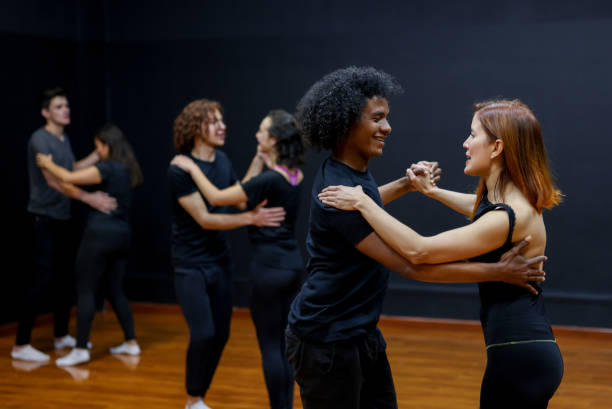
If you’re considering enrolling in acting school, there are several factors to keep in mind to ensure you make the most out of the experience. Pursuing acting is a significant commitment, and preparing yourself beforehand can set you up for success. Below are five key things every aspiring actor should know before taking this important step.
1. Acting School Requires Dedication and Hard Work
Acting is not merely about learning lines or emoting on stage; it’s a craft that demands continuous effort. Be prepared for:
– Long hours of practice: Classes, rehearsals, and assignments often extend beyond typical school hours.
– Physical and emotional challenges: Acting requires vulnerability, as many exercises push you to explore your emotions deeply.
– Ongoing improvement: You’ll constantly receive feedback that requires you to refine your skills.
2. It’s Not Just About Talent – Training Matters
While natural talent can be an advantage, training is essential to hone your craft. Acting school offers:
– Technical skills: Voice modulation, body language control, and stage presence are critical components taught in structured classes.
– Discipline: Following schedules and committing to assignments helps build habits that are crucial for professional success.
3. Networking Starts Early
Who you meet during your time at acting school may play a pivotal role in your future career. Build connections with:
– Peers: Your classmates could become collaborators or allies in the industry later on. – Instructors: Many instructors have industry experience and connections; treating them with respect can open doors. – Guest speakers/visiting professionals: Take every opportunity to connect with industry experts who may visit your school.
4. Rejection Is Part of the Journey
Acting involves auditions that don’t always result in success, even after rigorous preparation. Learning how to handle rejection early will help you maintain resilience throughout your career: – Accept feedback constructively. – Don’t take rejection personally—it’s often about casting needs rather than talent. – Focus on growing from each experience.
5. Prepare Financially and Mentally for the Commitment
Attending acting school is a significant investment of both time and money: | Aspect | Considerations | |——————-|————————————————| | Tuition Costs | Research various schools’ fees before enrolling. | | Living Expenses | If relocating, factor in housing, transportation, and daily expenses. | | Time Commitment | Classes often demand full-time engagement; part-time work may not always be feasible.|
Additionally: – Be prepared for emotional highs and lows as you progress through challenging coursework. – Practice self-care regularly to maintain balance during intense periods.
By understanding these aspects before starting acting school, you’ll position yourself for a more rewarding experience while avoiding unnecessary surprises along the way.
The Ultimate Guide to Acting Classes NYC: How to Immerse Yourself Fully
Attending acting school can be a transformative and challenging journey. To make the most of this experience, it’s vital to fully immerse yourself and embrace every opportunity for growth. Here are some strategies to ensure you gain the maximum value from your time in acting school.
Be Open-Minded and Willing to Learn in NYC Acting Classes
- Adopt a growth mindset: Understand that every exercise, no matter how unfamiliar or uncomfortable, contributes to your development.
- Be willing to fail: Growth often comes through mistakes. Embrace them as learning opportunities.
- Stay curious: Ask questions, seek feedback, and explore new techniques with enthusiasm.
Foster Connections at New York Acting Schools with Instructors and Peers
- Take advantage of one-on-one feedback sessions with instructors.
- Support your classmates in rehearsals by offering constructive feedback or simply being a generous scene partner.
- Network during class projects or informal gatherings; these connections may evolve into long-term professional opportunities.
Master Your Craft with an Acting Coach New York
- Consistent attendance: Missing classes disrupts both personal growth and group dynamics.
- Preparation: Always come prepared for rehearsals, performances, or scene studies—knowing your lines should be the bare minimum.
- Engage in self-study: Outside of class hours, read plays, watch films critically, or practice voice and movement exercises.
Explore Different Training Methods
- Experiment with techniques like Stanislavski’s system, Meisner technique, Method Acting, or physical approaches such as Viewpoints.
- Identify which methods resonate most deeply while remaining adaptable to others based on project requirements.
| Common Acting Techniques | Focus Area | Key Benefits |
| Stanislavski System | Emotional truth | Develops authentic character portrayals |
| Meisner Technique | Spontaneous reactions | Enhances listening & adaptability |
| Method Acting | Deep emotional connection | Encourages strong immersion in roles |
| Physical/Movement-Based | Body awareness & expression | Builds physicality for characters |
Practice Self-Care for Longevity
- Prioritize rest: Mental clarity improves when you’re well-rested.
- Maintain physical health through regular exercise or yoga sessions tailored for performers.
- Develop emotional resilience by journaling or seeking support (e.g., therapy) if needed.
By fully immersing yourself in these aspects of acting school life—curiosity, collaboration, commitment—you’ll not only hone technical skills but also build resilience essential for a demanding industry.
The Importance of Learning Both Theatre and On-Camera Acting Techniques
When pursuing a career in acting, understanding both theatre and on-camera techniques is a crucial aspect of becoming a well-rounded and versatile performer. Each medium offers unique challenges, demands, and skills that contribute to your growth as an actor. Let’s explore why mastering both disciplines is vital for your success.
The Fundamental Differences Between Theatre and On-Camera Acting
| Aspect | Theatre | On-Camera |
| Audience | Live audience with immediate reaction | Camera lens; no direct audience feedback |
| Performance Style | Larger-than-life expressions to reach the back row | Subtle emotions for intimate close-ups |
| Environment | Continuous performance in real-time | Scenes are filmed out of sequence |
These differences highlight the importance of tailoring your approach to fit each medium’s unique requirements.
Benefits of Training in Theatre Acting
- Strong Foundation in Fundamentals: Theatre training focuses on voice projection, body movement, and stage presence. These skills build confidence and discipline.
- Improvisation Skills: Performing live demands the ability to think on your feet, making you adept at handling unexpected situations.
- Understanding Storytelling: Theatre emphasizes the narrative arc, helping actors understand character development deeply across an entire production.
The knowledge gained through theatre acting creates the foundation necessary for performing with conviction across any platform.
Benefits of On-Camera Technique Training
- Mastering Subtlety: On-camera acting requires controlled movements, micro-expressions, and nuanced emotion delivery that connect with audiences without appearing exaggerated.
- Learning Technical Skills: Familiarity with working alongside lighting setups, camera angles, marks on set, and continuity ensures smoother collaborations in film or TV projects.
- Adapting Performance Styles: Since scenes are often filmed out of chronological order during production, honing emotional consistency becomes essential.
Training for the camera prepares actors to adapt quickly without sacrificing authenticity.
How Learning Both Techniques Enhances Your Career
- By excelling in theatre productions such as plays or musicals while simultaneously delivering compelling performances in films or series.
- Building versatility makes you marketable to directors seeking adaptable talent.
- Expanding expertise across mediums helps foster longevity throughout your career.
By prioritizing education that covers both mediums early in your training process, you’ll not only elevate your craft but position yourself as an indispensable asset within competitive industry landscapes.

Mastering Collaboration and Building Strong Relationships in the Acting World
Collaboration and relationship-building are essential skills for actors navigating the complex and competitive world of performing arts. Beyond talent and technical expertise, the ability to work effectively with others can significantly influence your opportunities, reputation, and growth as an actor. Here’s a deeper look into how you can master collaboration and foster meaningful relationships in your acting career.
Understanding Collaboration in Acting
- Enhances Performance: Working closely with others helps create authentic performances by fostering trust and emotional connection.
- Expands Creativity: Collaborating with diverse individuals introduces new perspectives that can elevate your craft.
- Builds Professionalism: Demonstrating a willingness to work well with others showcases professionalism that people remember.
How to Build Strong Relationships in the Acting World
- Show up prepared for rehearsals or shoots.
- Meet deadlines when memorizing scripts or completing tasks.
- Honor commitments consistently.
- Listen actively during discussions or feedback sessions.
- Be clear about your needs while remaining open to compromise.
- Treat directors, crew members, fellow performers, and everyone on set with equal respect.
- Acknowledge others’ contributions publicly when appropriate.
- Attend acting workshops or networking events to meet like-minded professionals.
- Focus on building genuine connections rather than transactional interactions.
- Volunteer for community theatre productions or smaller projects where you can practice working collaboratively without high-pressure expectations.
- Offer help when peers need assistance with their creative pursuits—it reinforces trust over time.
Collaboration Challenges in Acting (and How to Overcome Them)
| Challenge | Solution |
| Creative differences between castmates | Focus on shared goals (e.g., serving the story) rather than personal biases |
| Miscommunication | Hold regular check-ins; clarify roles early in the process |
| Conflicting work styles | Stay adaptable while respecting others’ methods |
Long-Term Benefits of Strong Relationships
- Stronger Reputation: A good collaborator earns a reputation as someone directors want to work with repeatedly.
- Increased Opportunities: Peers may recommend you for roles if they’ve had positive experiences collaborating with you.
- Support System: Building relationships fosters a community of support during challenging times in your acting journey.
Mastering collaboration not only sets you apart but also creates opportunities for personal growth while enriching every project you’re part of. By embracing teamwork as an integral element of your craft, you’ll set yourself up for enduring success within the acting world.
Mastering Collaboration and Building Strong Relationships in the Acting World
Collaboration and relationship-building are at the core of a successful acting career. The entertainment industry thrives on teamwork, which makes it essential for actors to develop strong interpersonal skills and cultivate meaningful connections. Here’s a guide to help you navigate this vital aspect of the acting world.
Why Collaboration Matters in Acting
Acting is rarely a solo endeavor. Whether you’re performing in a play, shooting a movie, or attending auditions, you’ll constantly interact with others. Collaboration allows creative energies to flow seamlessly, resulting in performances that feel cohesive and authentic.
Key reasons collaboration is critical include:
– Teamwork Enhances Storytelling: Every actor contributes to the overall narrative. Working together ensures the story comes alive on stage or screen. – Creative Synergy: Directors, writers, producers, and cast members can bring unique perspectives to a project. Open communication improves outcomes. – Smooth Workflow: A collaborative mindset reduces conflicts and improves efficiency during rehearsals or production schedules.
Tips for Building Strong Relationships
- Arrive prepared for rehearsals or sets.
- Respect others’ time by being punctual.
- Maintain an attitude that’s easygoing yet dependable.
- Listen actively when speaking with fellow actors or crew members.
- Ask questions about their experiences and share your own thoughtfully.
- Celebrate your achievements without arrogance.
- Be open to learning from others regardless of their level of experience.
- Volunteer help when someone seems overwhelmed during production or rehearsal.
- Share insights while remaining respectful of boundaries.
- Follow Up Professionally
After meeting someone in an audition or on set: - Send a quick thank-you email or message expressing gratitude for the collaboration.
- Keep connections alive without being overly persistent.
Collaborative Roles in Acting
| Role | How They Contribute | How You Can Build Rapport |
| Directors | Shape the vision of the project | Actively listen to feedback |
| Fellow Actors | Bring characters to life | Support each other during scenes |
| Crew Members | Handle lighting, sound, etc. | Acknowledge their hard work |
| Casting Agents | Match talent with roles | Be polite during auditions |
The Long-Term Benefits of Collaboration
Developing strong relationships doesn’t just make day-to-day work enjoyable; it also has lasting benefits for your career: – Referrals: A good impression may result in future opportunities through word-of-mouth recommendations. – Mentorship: Industry veterans often guide newcomers they trust and respect. – Support System: Acting can be challenging emotionally; having allies who understand helps tremendously.
By focusing on collaboration and relationship-building as part of your craft, you’ll not only improve your performance but also create a professional foundation that fosters long-term success in acting.
Embracing Criticism as a Tool for Growth and Improvement in Your Acting Career
Criticism is an inevitable part of any actor’s journey. Whether it comes from instructors, directors, or peers, learning to embrace feedback is essential for personal and professional growth. Viewing criticism as a tool rather than a setback can significantly enhance both your craft and your resilience in the competitive acting industry.
Why Criticism Matters
Criticism provides valuable insight into areas where growth is needed. It allows you to:
– Identify habits or tendencies that may hinder your performance.
– Gain perspective on how others perceive your work.
– Refine techniques to develop authenticity in your acting.
It’s important to remember that even seasoned actors continuously refine their skills based on constructive feedback.
Differentiating Between Constructive and Destructive Criticism
| Type of Feedback | Signs | How to Respond |
| Constructive Criticism | Specific, actionable advice focused on improvement. | Take notes, reflect, and implement changes gradually. |
| Destructive Criticism | Vague, overly critical, or dismissive remarks without context. | Focus on separating helpful elements from negativity while maintaining confidence. |
Understand that even poorly delivered criticism may contain useful elements if approached with an open mind.
Strategies for Embracing Criticism
- Adopt a Growth Mindset: See each critique as an opportunity to improve rather than as a reflection of failure.
- Listen Without Defensiveness: When receiving criticism, avoid justifying or explaining yourself immediately—this can close off opportunities for learning.
- Ask Questions: If feedback feels unclear, seek clarification by asking specific questions about areas for improvement.
- Practice Self-Reflection: Take time after receiving criticism to assess how it aligns with your goals and current skill level.
- Implement Feedback Gradually: Focus on applying small changes over time instead of overwhelming yourself with drastic adjustments.
Benefits of Learning from Criticism
Actors who embrace constructive criticism often see numerous benefits in their careers:
– Enhanced versatility across roles through targeted skill development. – Increased professionalism by showing adaptability during rehearsals or auditions. – Stronger relationships with directors and peers who value receptive performers willing to improve.
By integrating productive feedback into your routine, you set yourself up for long-term success both artistically and professionally.
Embracing criticism requires humility but also fosters confidence in honing your craft over time—a vital component of thriving in the acting world where continuous growth defines success.
- Starting Your Journey at the Best Acting Schools in New York
- Comparing Acting Schools in New York: Private Coaching vs. Group Classes for Aspiring Actors
- New York Acting Schools vs Acting Classes vs Workshops – A Comprehensive Guide to Choosing the Right Path
- 5 Things You Should Know About Acting Schools in New York
- What to Consider When Choosing the Right Acting Schools in New York or Professional Coach
- The Best NYC Acting Classes for Beginners to Build a Strong Foundation
- How to Get Started in Acting the Right Way with Acting Schools in New York
- The Ultimate Beginner’s Guide to New York Acting Schools: How to Prepare for Your First Acting Class
- Top Acting Schools in New York: Do You Need a Degree to Start Your Career?